About
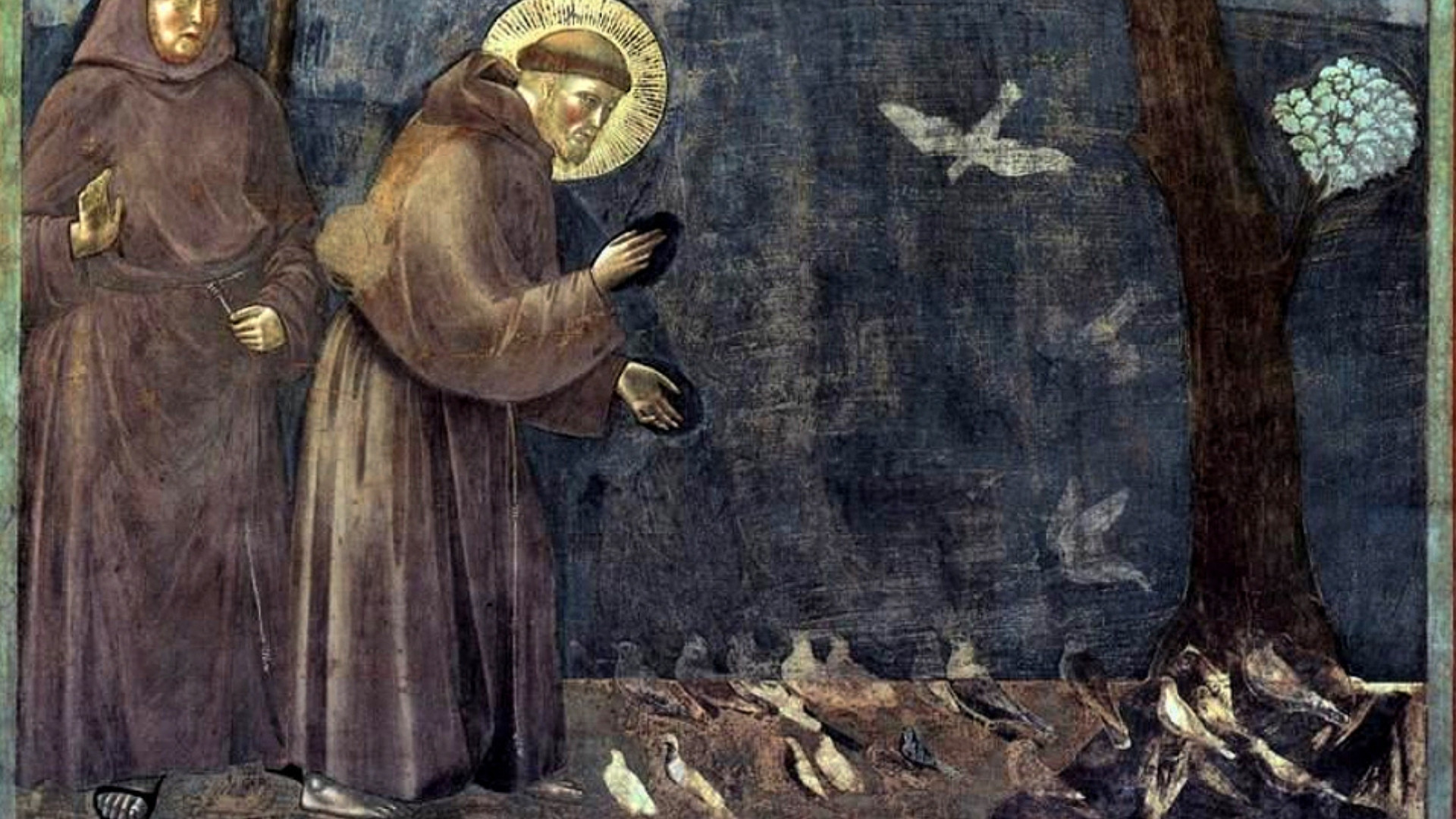
The transmission of traditional craft knowledge from antiquity through to the late classical period highlights the central importance of the ground as a fundamental element of artistic training.
Although the ground is one of the most crucial components of a painting, it has become one of the least discussed and least understood in contemporary practice. A painting cannot be separated from its ground; its development is shaped entirely by its interaction with the surface beneath it. The flow of paint, the texture, the luminosity of colour, and the depth of tones all depend on the nature of the ground from which the painting emerges.
In this five‑day workshop, students will receive instruction in preparing seven different types of traditional grounds. At the end of the course, participants will take home the full range of grounds they have prepared during the training.
This course will cover:
- Gesso ground on wood for egg tempera
- Sized gesso ground on wood for the mixed technique of egg tempera and oil
- Sized gesso ground on wood for oil painting
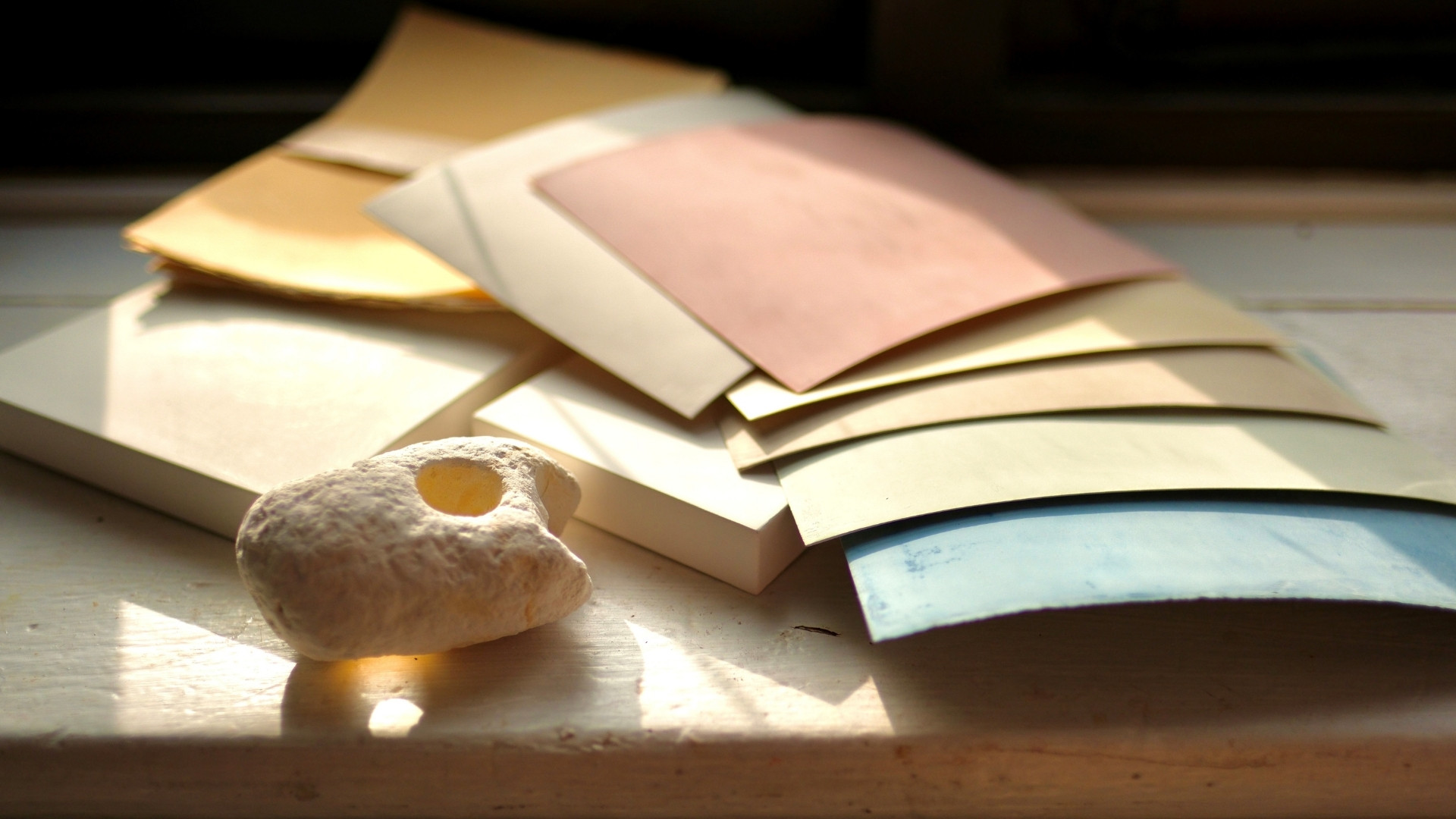
- Gesso grounds on paper for egg tempera and silverpoint drawing
- Coloured gesso grounds on paper suitable for egg tempera, oil painting, and silverpoint drawing
- Sized pigment grounds on paper for egg tempera, casein, and oil painting
- Stretching, sizing, and priming linen for oil painting, using wooden stretcher bars
Key Information
Who is this workshop for?
All levels of ability and experience welcome. You must be aged 18 or over to participate in our programmes.
How many people can attend?
14 people
What days do I attend?
Monday – Friday, 7 – 11 September 2026 , 10:00 – 16:30
What materials do I need?
Students should all bring:
- A notebook for writing recipes, and making notes as we work
- 1 x filbert hog hair brush, size 6 (see examples here and here)
- 1 x Omega Lily Varnishing brush, approx 70mm (see example)
Wear comfortable clothing that you do not mind getting slightly messy. Avoid wearing baggy clothing (especially sleeves), loose jewellery, high heels or open-toed shoes.
Where will this course take place?
This course will take place at our studios at The King’s Foundation School of Traditional Arts, 19-22 Charlotte Road, London EC2A 3SG.
FAQs
Do you offer concessions?
Yes, we offer concessions for Seniors/60+, full-time students and people who are unemployed/in receipt of benefits.
Concessions cannot be applied in retrospect. To receive a concession, please apply via our online form. We will then send you a discount code to use when booking your space.
Terms & Conditions
The School reserves the right to discontinue or suspend a Course up to fourteen (14) calendar days before the advertised start date of the Course. This course requires a minimum number of enrollments to run.
The School may take and use images of you and/or your work for course advertisement and social media purposes.
Our normal terms and conditions apply.
Tutor Biography
Dr David Harvard Cranswick received his MA fine art degree from the Royal Academy of Art. In 1999 he received his PhD from HRH Prince of Wales at St James Palace for practical research into mediaeval and renaissance painting materials and techniques. From 1984 David served as personal apprentice to Cecil Collins until his death in 1989. In 1989 David was invited by Professor Keith Critchlow to run regular workshops to the MA and PhD students, where he continues to teach as senior tutor at The King’s Foundation School of Traditional Arts. He teaches regularly in the UK and internationally. David is personal tutor to several Royalties and prominent figures. He has works in royal collections (including King Charles III) also prominent establishments in the UK and abroad. David is resident artist in Cowdray Castle. David has appeared in BBC television programmes and radio interviews. Articles published include art magazines and newspapers. He has exhibited internationally since 1979 and undertaken portrait commissions. In 2024 David received the Teaching Award from King Charles III for 35 years of dedicated teaching. Dr. Cranswick has written a book on desert pigments of AlUla. He is currently writing a book on traditional painting methods.